Ghost Water: Five Micro-Habitats Kayak Anglers Blow Past Every Single Trip (And Why That's a Huge Mistake)
Ghost Water: Five Micro-Habitats Kayak Anglers Blow Past Every Single Trip (And Why That's a Huge Mistake)
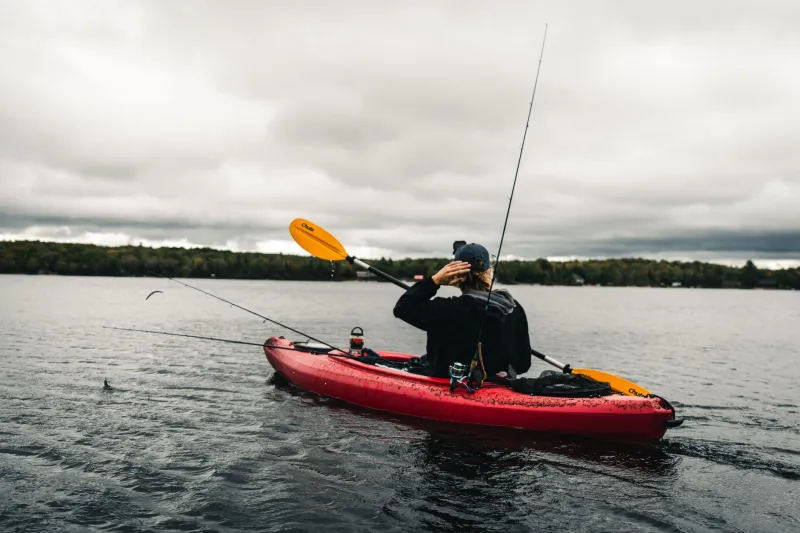
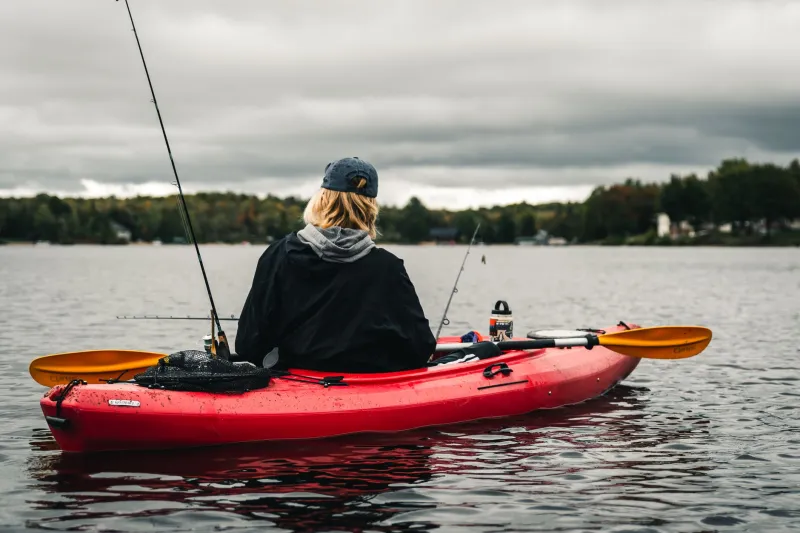
There's a weird irony in kayak bass fishing. You've got the perfect vessel for sneaking into shallow, tight, awkward water that no bass boat would dare attempt — and yet a lot of us still spend most of our time chasing the same main-lake structure every other angler on the water is already pounding. Docks? Check. Visible points? Yep. The big mat of hydrilla on the north end? Sure, right alongside six other boats.
Meanwhile, the spots that actually hold unpressured fish are sitting there completely ignored.
We call it ghost water. It's the stuff that doesn't look like much from a distance, doesn't show up clean on a sonar screen, and doesn't make sense until you've been burned by it enough times to start paying attention. These five micro-habitats are the ones kayak anglers paddle right past on the way to somewhere "better" — and learning to slow down and crack them is one of the fastest ways to level up your game.
1. Laydowns Buried in Skinny Creek Arms
The main creek channel gets hit constantly. Everybody knows to work the first bend, the deeper outside edge, the transition from mud to gravel. But paddle another hundred yards back into the arm where the water gets knee-deep and the canopy closes in? Most guys don't bother.
That's exactly why you should.
Laydowns tucked into the backs of creek arms are special because they combine two things bass love: wood cover and current breaks. Even in skinny water, a fallen tree creates a subtle slack zone where baitfish stack up and bass sit in ambush. These fish are also almost never pressured. A bass boat physically cannot get back there. Even most kayakers turn around at the first sign of shallow water.
This spot shines hardest in early spring when bass are staging before the spawn, and again in late fall when they're pushing bait into the back ends of creeks.
The presentation that works? A weightless or lightly-weighted soft plastic — a stick bait, a fluke, or a small swimbait — worked slowly through the branches. Skip it under the canopy if you can. Let it sink on a semi-slack line and watch for the twitch before you ever feel the bite. Tube jigs are underrated here too, especially when the water's stained.
2. Submerged Road Beds
Old reservoir maps are gold. When a lake was flooded decades ago, everything underneath came with it — houses, timber, and yes, roads. Those road beds are still down there, and they create subtle but consistent structure that bass use as migration highways and ambush corridors.
The reason most anglers miss them is simple: they're invisible. There's no surface clue. You can't see a road bed from your seat the way you can see a dock or a grass line. You have to do your homework on topo maps or old county records before you ever put your kayak in the water.
But here's the thing — once you find one and mark it, you've got a spot that will produce fish year after year, often with almost no competition.
Road beds are most productive in summer and early fall, when bass use the slight depth change and hard bottom to set up off the main structure. They're transition spots — bass move along them the way deer use trails.
Work them with a Carolina rig dragged slowly along the bottom, or a football jig bumped across the hardpan. The key is staying in contact with the substrate. When you feel the texture change from soft mud to gravel or compact clay, you're on the road. That's where the bites happen.
3. Isolated Grass Clumps
Big grass flats get attention. But a single, isolated clump of vegetation sitting in open water? Most anglers paddle right past it like it's nothing.
It's not nothing. It's a target.
Isolated cover concentrates fish in a way that expansive cover doesn't. When bass have one patch of grass in an otherwise barren area, every fish in that zone knows exactly where to go. It's the only ambush point for a hundred yards in any direction. That clump might hold two or three quality fish stacked tight against it.
This pattern is strongest in late spring through summer, when bass are post-spawn and looking for easy feeding stations near open water.
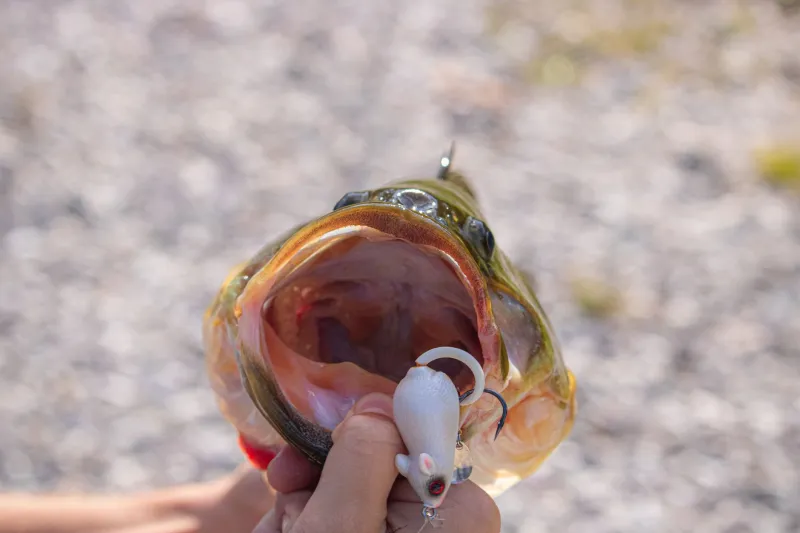
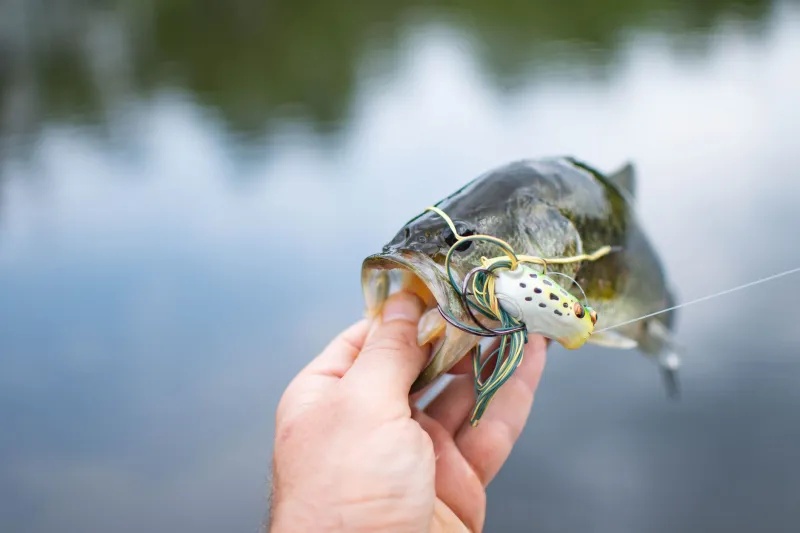
The approach matters here as much as the lure. Paddle wide and come in from the downwind side so you're not pushing a wake over the clump before you've made a cast. A frog or a weedless hollow-body swimbait dragged over the top is deadly. If the clump has any depth to it — emergent vegetation over two or three feet of water — punch a heavy Texas rig straight down through the canopy and hold on.
4. Transitions Between Hard and Soft Bottom
This one requires no special map, no topo research, and no secret knowledge. You just have to pay attention to what your rod is telling you.
Bass are suckers for bottom transitions — specifically the edge where soft, silty mud meets hard clay, gravel, or sand. Those transitions create distinct feeding zones because baitfish, crawfish, and invertebrates congregate where the substrate changes. Bass set up right on that edge and feed both directions.
The problem is that transitions don't have a visual signature. You can't see them from the surface. You have to feel them, and that means keeping something on the bottom often enough to know when things change.
These spots produce throughout the year but are especially reliable in fall and winter, when bass are lethargic and feeding close to the bottom.
A drop shot is the ideal tool here — light enough to detect the change in texture, subtle enough to work slowly once you find the transition. Drag it a foot or two, pause, drag again. When you feel the bottom go from soft to firm, stop. Work that seam thoroughly before moving on. A shaky head with a finesse worm is a close second.
5. Undercut Banks in Tidal Creeks and River Systems
This is the most overlooked spot on the entire list, and it's one that a kayak accesses better than any other watercraft on the planet.
Undercut banks form where current erodes the shoreline from below, leaving a lip of earth or root mat hanging over the water. The cavity underneath is dark, protected, and almost impossible to fish from any distance. You have to get close — sometimes uncomfortably close — to reach back under that lip.
Bass love undercuts because they offer shade, ambush angles, and protection from current. In tidal systems and rivers, these spots are feeding stations all year long, but they peak in summer when fish are seeking shade and cooler, oxygenated water near current.
A short, accurate pitch is the only way to fish an undercut properly. Flip a small jig or a wacky-rigged Senko under the lip and let it fall straight down along the bank. Keep your rod tip up and be ready — strikes come fast and the fish immediately tries to dig back under the bank. You've got maybe a second to turn its head before it wraps you in roots.
This is a spot where your kayak's silence is worth more than any lure in your crate. Drift in quietly, make your pitch, and get out without disturbing the bank. Hit it again on the way back through.
The Slowdown Is the Skill
Here's the honest truth: none of these spots are hard to find once you start looking. The challenge isn't locating them — it's forcing yourself to slow down long enough to recognize them and fish them properly.
We're all guilty of covering water too fast, chasing the next obvious piece of structure while the real fish sit in the weird, skinny, awkward spots we paddled right past. The kayak gives you every advantage you need to access this ghost water. The only thing standing between you and the fish is the willingness to stop, look closer, and make a few extra casts.
Paddle slow. Fish everything. The bass are already there waiting.