Four Hours, Five Bass: How to Engineer a Killer Morning Session from the Kayak
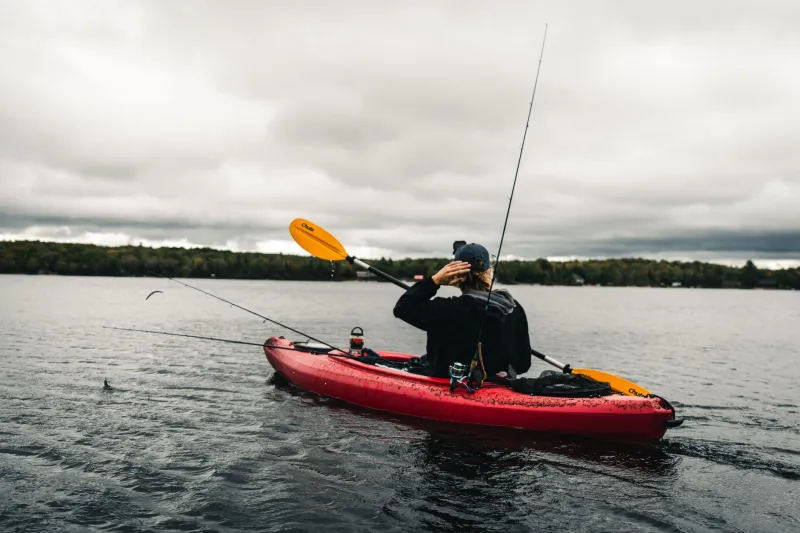
There's a version of kayak fishing that looks like this: you launch sometime around sunrise, paddle toward whatever looks good, throw a few casts, drift a little, check your phone, wonder why you're not getting bit, and head home by noon feeling like the lake beat you.
Then there's the other version — the one where you're back at the ramp before 10 a.m. with five solid bass and a story worth telling.
The difference almost never comes down to gear, location, or luck. It comes down to structure. Kayak anglers carry a massive stealth advantage over their power-boat counterparts, but that edge evaporates fast if you're not pairing it with a deliberate, time-aware game plan. Bass don't stay in the same mood or the same spots all morning. If you're fishing the right technique in the wrong window, you're just practicing casting.
Here's how to break a four-hour morning session into purposeful blocks that consistently put fish in the boat.
Block One: Pre-Dawn Staging (First 45 Minutes)
If you're not on the water before first light, you're already behind. That pre-dawn window — roughly 30 to 45 minutes before sunrise — is when big bass are at their most aggressive. They've been cruising all night and they're still in hunting mode, positioned on shallow flats, near points, and along weed edges where baitfish stack up.
Your job in this first block is simple: get quiet, get shallow, and go big.
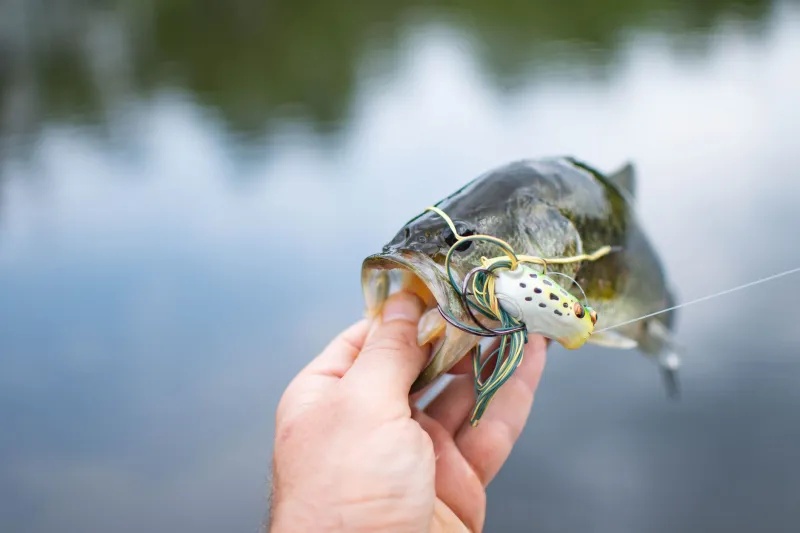
Topwaters shine here. A walking bait like a Zara Spook or a buzzbait worked over submerged grass or along a dock line can draw explosive strikes in low-light conditions. The kayak's stealth is your biggest weapon right now — you can slip into shallow pockets that a bass boat would blow out before the first cast ever lands.
Pick two or three staging spots you've scouted in advance and work them efficiently. Don't linger. Cover water. You've got maybe 45 minutes before this window starts to close, so make every cast count.
Block Two: The Transition Bite (45 Minutes to 2 Hours)
As the sky brightens and the surface bite slows down, bass begin their transition from shallow feeding zones toward slightly deeper structure — secondary points, channel edges, submerged timber, or the first drop off a flat. This is the most dynamic part of the morning, and it rewards anglers who can think one step ahead of where the fish are heading.
Switch your mindset from "where are they feeding" to "where are they going."
This is prime time for a Texas-rigged soft plastic or a jig worked slowly along transition areas. A 4-inch Senko in green pumpkin or a 3/8-oz football jig dragged across a gravel point will intercept fish that are moving rather than actively chasing. The bite will feel more deliberate here — less explosive, more of a tick or a weight on the line — so stay focused.
One of the best moves a kayak angler can make during this block is to use the current or wind to drift parallel to a depth change while keeping a bait in the strike zone. Let the kayak do the work. You're not burning energy fighting a trolling motor; you're reading the water and adjusting your presentation with every cast.
Target two to three transition zones during this block. If a spot doesn't produce within 10 to 15 casts, move. The fish are somewhere specific right now, and your job is to find them before the morning shuts down.
Block Three: Mid-Morning Pressure (2 Hours to 3 Hours)
By the two-hour mark, the easy bites are mostly behind you. The sun is climbing, the surface has warmed slightly, and bass that were cruising and feeding are starting to seek shade, depth, or both. A lot of kayak anglers make the mistake of continuing to fish the same water they started on, wondering why the bites dried up.
This is the block where you earn your fish.
Shift your focus to shaded structure — boat docks, overhanging trees, bridge pilings, or anything that blocks direct sunlight. These spots become refuge as the morning progresses, and bass will stack up in them. A compact bait like a Ned rig, a drop shot, or a small swimbait worked slowly through these shadowed zones can be deadly when the wider lake feels dead.
This is also the time to go finesse. Downsize your line, slow your retrieve, and let the bait sit longer than feels comfortable. Pressured mid-morning bass are not going to chase — they're going to react. Give them something they can eat without moving much, and you'll be surprised how many bites you can coax out of spots that look like they've already been picked clean.
The kayak earns its keep here again. You can hover just outside a dock's shadow without making a sound, skip a bait eight feet back under a low-hanging platform, and stay in position without an anchor or a trolling motor humming in the background. That silence is the difference between a bite and a blown opportunity.
Block Four: The Final Push (Last Hour)
You've got one hour left and the sun is fully up. Most anglers are calling it a morning. That's exactly why you shouldn't.
The final hour of a four-hour session is often overlooked, but it can produce some of the most consistent bites of the whole outing — particularly on deeper structure that's been undisturbed all morning. Bass that retreated early are now settled and comfortable, and a well-placed drop shot or a Carolina rig worked along a submerged point or channel bend can be lights out.
Pick one or two deep-structure spots you identified during your pre-trip planning and commit to them for the final stretch. Work methodically. Stay patient. You've already likely got a few fish in the live well from the earlier blocks, so the pressure is off — and that relaxed, focused mindset is when kayak anglers tend to fish their best.
Before you head back to the ramp, make a mental note of what worked and when. The patterns that produced during your second and third blocks today will likely repeat on your next outing under similar conditions.
Why Structure Changes Everything
Kayak bass fishing rewards patience and precision in ways that power-boat fishing simply doesn't. You move slower, which means you see more. You fish quieter, which means the fish don't know you're there. But none of that matters if you're wandering without a plan.
Breaking a four-hour morning into intentional blocks — pre-dawn aggression, transition interception, mid-morning finesse, and deep-structure patience — turns a casual paddle into a repeatable system. You stop reacting to the lake and start anticipating it.
Five bass before lunch isn't a lucky morning. It's a planned one.