Two Rods, Zero Excuses: How Fishing with Less Gear Forces You to Become a Better Angler
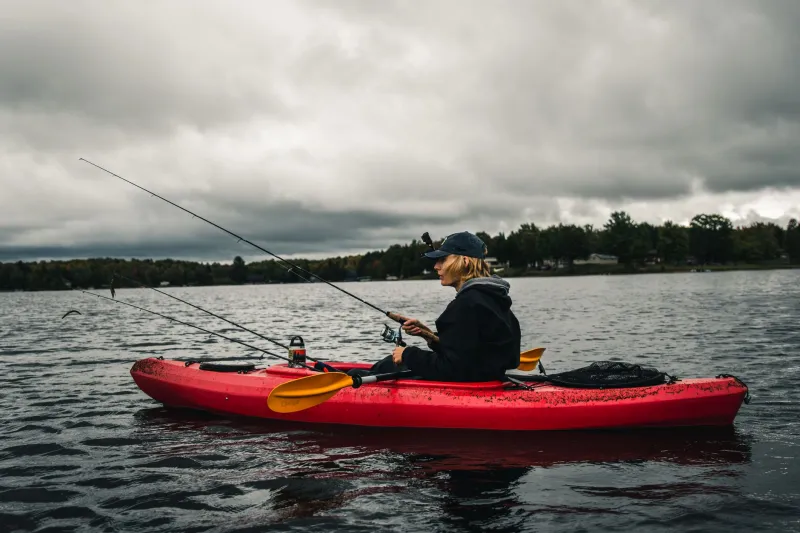
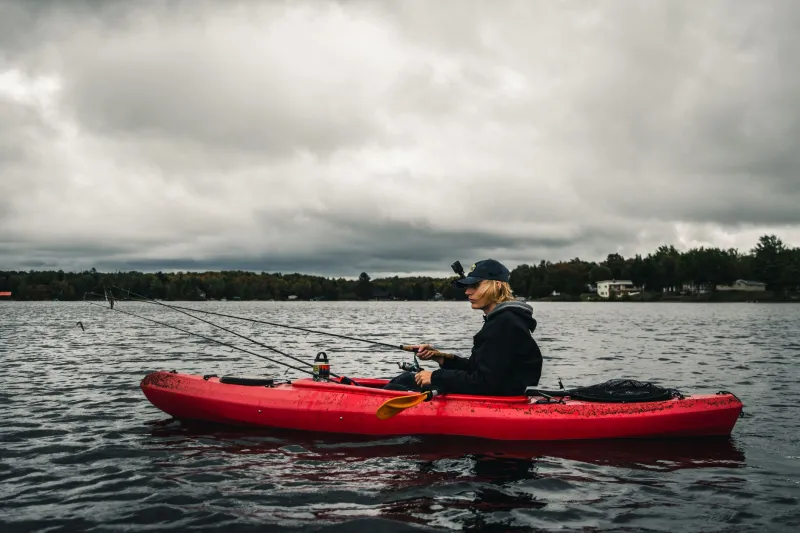
Here's a challenge most kayak anglers won't take: next time you hit the water, pull two rods out of your rack, leave everything else in the truck, and don't touch another setup all day. No swapping mid-session. No "just one more option" reach into the rod holder. Two rods. Full stop.
If that sounds limiting, that's exactly the point.
There's a quiet argument building among serious kayak bass anglers — one that doesn't get a lot of airtime because it runs against the gear-obsessed grain of modern fishing culture. The argument goes like this: the angler who commits to fewer tools makes sharper decisions, builds real bait confidence, and ultimately puts more fish in the net than the guy rotating through eight rods trying to find a magic answer.
Constraint, it turns out, might be the best teacher on the water.
The Problem with Having Too Many Options
Walk down any dock on a Saturday morning and peek into the kayaks getting loaded up. You'll see rod racks stuffed to capacity — six, eight, sometimes ten setups rigged and ready. The logic seems sound. Conditions change. Bass are moody. You want to be prepared.
But here's what actually happens when you've got ten rods within arm's reach: you stop fishing any single one of them long enough to really learn it.
Psychologists call this "choice overload" — the idea that too many options actually paralyzes decision-making rather than improving it. In fishing terms, it plays out like this: you throw a Texas rig for twelve casts, don't get bit, and immediately grab the drop shot. Six casts later, you're reaching for the swim jig. Another handful of casts, and you're back to the Texas rig. You never gave any presentation a real chance, and you walked away blaming the fish instead of your own impatience.
Two rods removes that escape hatch entirely. When you're committed, you fish each setup with actual intention.
Why Commitment Changes How You Read the Water
Here's something that doesn't get talked about enough: the angler who's forced to make a presentation work will study the water harder than the one who can just swap lures.
When you've only got two options, you start asking better questions. Where exactly is that bass sitting — up in the grass, or on the edge? Is the retrieve too fast, or is it the depth? Should I be working this point from a different angle? These are the kinds of micro-adjustments that separate a decent day on the water from a great one, and they only happen when you don't have a bailout option waiting in the rod holder.
Limiting yourself forces a kind of focused curiosity that a full rod spread actually discourages. You become a problem-solver instead of a gear-switcher.
How to Pick Your Two
Okay, so you're sold on the idea. The real question is which two setups make the cut — and that answer changes based on where you're fishing and what the conditions look like.
The smartest approach is to pick one power fishing setup and one finesse setup. That pairing covers the widest range of scenarios without overlapping too much in function.
For power fishing, think about what the primary cover and structure looks like. Fishing a shallow, weedy lake in Georgia in June? A medium-heavy rod with a weedless frog or a swimjig makes sense. Targeting rocky points on a highland reservoir in Tennessee come fall? A medium-heavy rod with a moving bait like a squarebill crankbait or a bladed jig covers the aggressive feeding window beautifully.
For finesse, a drop shot or a Ned rig on a medium-light spinning setup is almost always a safe second choice. These presentations catch bass when nothing else does, they work in pressured water, and they're versatile enough to fish from two feet deep to thirty-plus. When your power rod goes cold, the finesse rod keeps you in the game without making you feel like you're giving up.
Before you leave the ramp, ask yourself two questions: What's the most likely way I'm going to catch a bass today? And what's my backup when that stops working? Answer those honestly, rig accordingly, and trust the process.
The Confidence Factor Is Real
There's another benefit to the two-rod approach that's harder to quantify but absolutely real: you fish your chosen setups with more confidence, and confidence changes how you present a lure.
This isn't mysticism. An angler who believes in what they're throwing slows down, works the bait properly, and makes better casts. An angler who's second-guessing their setup rushes the retrieve, skips the best-looking spots, and mentally checks out before the bait even reaches the strike zone.
When you've committed to two rods, you've already made peace with your choices. That mental clarity shows up in your fishing. You're more patient. You're more precise. You're more willing to sit on a productive piece of structure and really milk it instead of moving on the second the action slows.
Fishing pressure on a lot of popular US lakes — from the Ozarks to the Carolinas — means bass have seen every bait in the tackle shop. The angler who presents one bait really well, repeatedly, with confidence and variation, often out-fishes the guy with a full spread who's just cycling through presentations hoping something sticks.
The Kayak Makes This Approach Even More Powerful
Here's the thing about fishing from a kayak that makes the two-rod rule especially potent: you're already operating lean. The whole beauty of kayak fishing is the simplicity — the quiet approach, the ability to slip into spots a bass boat can't touch, the intimacy with the water that comes from sitting eighteen inches above the surface.
A kayak loaded with ten rods and a tackle storage crisis kind of defeats the purpose. You're constantly shuffling gear, second-guessing your setup, and spending mental energy on equipment management instead of fishing.
Two rods fit cleanly in a side mount or a standard rod holder setup. Your cockpit stays organized. Your focus stays on the fish. You paddle lighter, move faster, and fish the water instead of your gear pile.
Give It One Trip
You don't have to commit to this philosophy forever. But give it one honest trip — a full morning session, dawn to noon, two rods and nothing else. Pick your setups the night before with real intention. Stick to them no matter what. And pay attention to how differently you fish when the escape hatch is gone.
Most anglers who try it come back with two things: a few more fish than expected, and a much clearer picture of what they actually need on the water versus what they've just been hauling around out of habit.
Sometimes the best upgrade you can make isn't a new rod or a fancier lure. Sometimes it's just deciding to trust yourself — and fish with less.