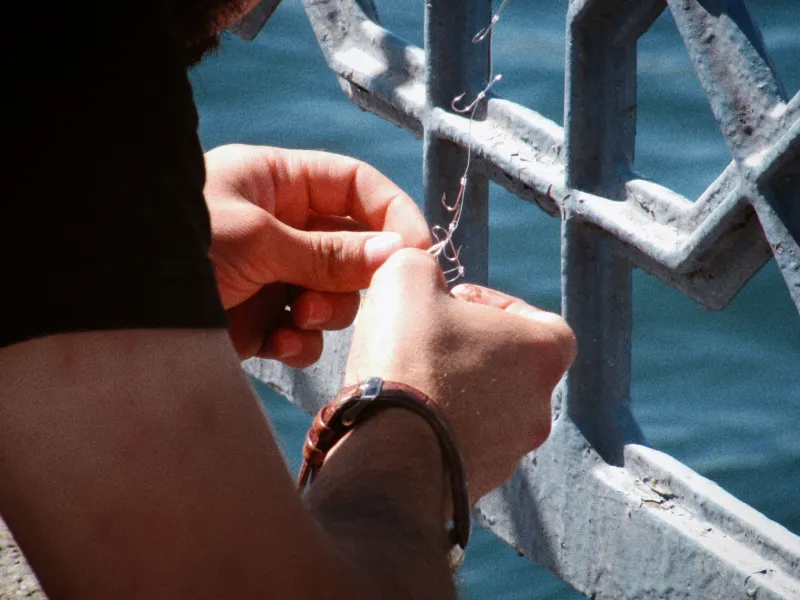
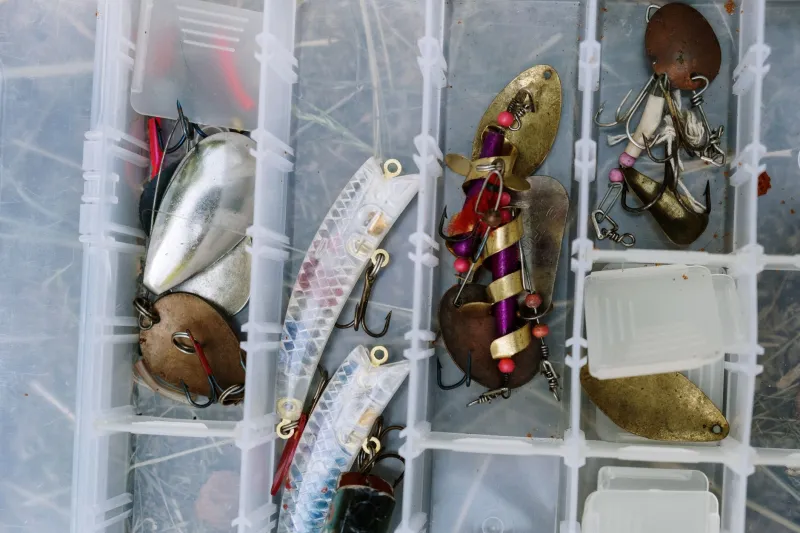
Stop Re-Rigging Mid-Cast: 7 Bass Setups Every Kayak Angler Should Have Ready Before Leaving the Ramp
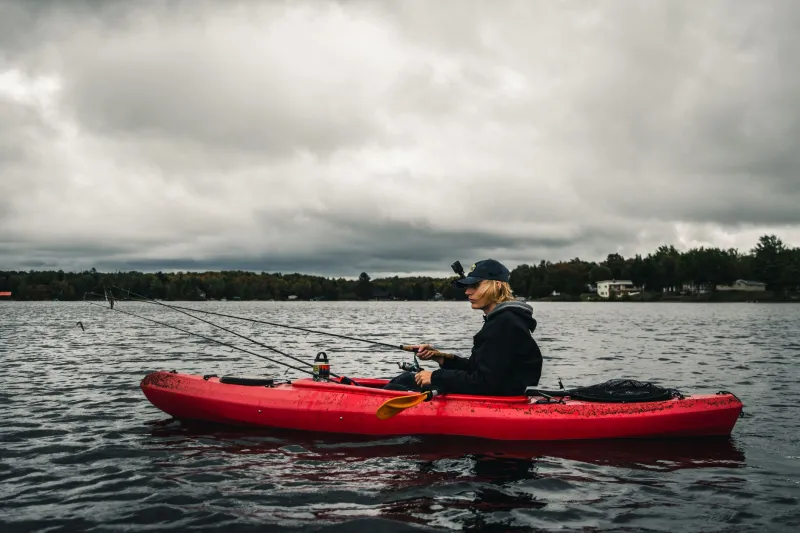
Here's a scenario that probably feels familiar. You've paddled out to a promising flat, the early morning light is just right, and you can see bass pushing bait along the surface. You reach for a topwater — except your topwater rod has a busted hook from last weekend and you never re-rigged it. So you dig around in your tackle crate, locate a frog, realize you don't have your braided rod handy, and by the time everything's sorted, the surface activity is over.
That's not bad luck. That's bad preparation.
Kayak bass fishing rewards anglers who think ahead. Unlike a bass boat with a sprawling deck and a tackle locker the size of a small closet, a kayak cockpit is a tight, sometimes chaotic space. The less problem-solving you have to do on the water, the more time your lure spends in the strike zone. Pre-rigging multiple rods before you launch isn't just a nice habit — it's a genuine competitive edge.
Here are the seven setups worth having tied and ready every single time you paddle out.
1. Weightless Soft Plastic Stickbait (Texas Rig, No Weight)
The Senko-style wacky or weightless Texas rig is the great equalizer. It catches bass in cold water, warm water, clear water, and stained water. Rig a 5-inch stick bait weightless on a 3/0 offset hook with 12-pound fluorocarbon, and you've got a slow-falling, do-nothing presentation that drives fish absolutely crazy in the shallows during spring and early summer. This rod earns its spot on the yak year-round, but it's especially irreplaceable during the pre-spawn and spawn windows.
2. Ned Rig
If you're not already keeping a dedicated Ned rig rod on deck, you're leaving fish in the water. A small mushroom-head jig — anywhere from 1/10 to 1/4 ounce — tipped with a 2.5 to 3-inch ElaZtech-style bait on 8-pound fluorocarbon is the kind of subtle, finesse presentation that cleans up when bass get pressured or the bite goes cold. It shines on rocky points, gravel transitions, and offshore humps. Set this one up on a light to medium-light spinning rod and treat it like your insurance policy.
3. Bladed Jig (Chatterbait or Vibrating Jig)
When bass are active and chasing, you want something that covers water fast. A 3/8-ounce bladed jig in white or chartreuse with a matching paddle tail trailer is a power-fishing workhorse. This rig is most effective in the spring and early fall when bass are shallow and aggressive, but it also performs well in stained or murky water where the vibration helps fish locate the bait. Keep this one on a medium-heavy baitcaster with 15-pound fluorocarbon.
4. Texas-Rigged Creature Bait or Beaver
Flipping and pitching from a kayak is one of the most productive techniques in the book, especially when you can silently drift into tight cover that a bigger boat can't reach. A 3/8 to 1/2-ounce tungsten weight pegged above a 4/0 hook, threaded through a beaver-style bait in green pumpkin or black and blue, is your go-to for punching into laydowns, dock pilings, and thick vegetation. Heavy braid — 50 to 65-pound — is non-negotiable here. You need to horse fish out of cover before they wrap you up.
5. Topwater Walking Bait
Dawn and dusk on a kayak are magic hours, and you want a topwater walking bait ready to go the moment you hit the water. A 3/4-ounce Zara Spook-style lure or a popper on 30-pound braid with a short fluorocarbon leader gives you an explosive surface presentation that's especially lethal around grass edges, points, and open flats in summer and fall. Don't be the angler who has to rig this up while the morning topwater bite burns away around you.
6. Swimbait on a Shaky or Underspin Head
Mid-depth presentations often get overlooked in favor of shallow or deep extremes, but a 3.5 to 4-inch paddle tail swimbait on a 1/8 to 3/8-ounce shaky head or underspin is a year-round producer that excels on points, channel edges, and submerged grass lines. Vary your retrieve speed until fish tell you what they want. This one works best on 10 to 12-pound fluorocarbon on a medium spinning setup.
7. Deep Diving Crankbait
Every kayak angler needs at least one bait that gets down to where fish suspend in summer and winter. A medium-diving to deep-diving crankbait — think Strike King 6XD or Rapala DT series — in a crawfish or shad pattern on 10-pound fluorocarbon will deflect off rocks and stumps and trigger reaction strikes from bass that aren't actively feeding. This is your offshore, mid-day, slow-season weapon. Don't leave the ramp without it.
How to Store Pre-Rigged Rods Without Destroying Them
Seven rods in a kayak sounds like chaos. It doesn't have to be. A quality rod holder system — either flush-mounted tubes or an aftermarket rail-mounted rack — can handle four to five rods cleanly. For the remaining rods, a padded rod sleeve or a simple bungee system across the bow keeps things tidy and protects your guides. Always cap exposed hooks with a foam rod wrap or hook keeper to avoid tangled lines and accidental stabbings (ask anyone who's reached across a cockpit in the dark — you only make that mistake once).
Organize your rods by technique type so you can grab the right one without thinking. Power fishing rods up front. Finesse rods within reach on the side. Topwater within arm's length of your seat.
The Mindset Shift That Changes Everything
Pre-rigging isn't just about saving time — it's about changing how you approach a session entirely. When you leave the ramp with seven ready-to-fish setups, you stop reacting to conditions and start anticipating them. You're not scrambling to tie a new rig when the wind dies and the water goes flat. You're already reaching for the Ned rig because you knew you'd need it.
Spend twenty minutes the night before a trip going through each rod, checking your knots, replacing worn line, and refreshing soft plastics. That's the real preparation window — not the ramp, not the water. By the time you drop your kayak in, your only job is to paddle and fish.
The anglers who consistently put bass in the net aren't always the ones with the best electronics or the most expensive gear. They're the ones who've already solved their tackle problems before the first cast. Be that angler.
Paddle out ready. Fish the whole time. That's how you win the morning.