Crack the Spawn Code: How to Find the Bass Beds That Actually Hold Fish
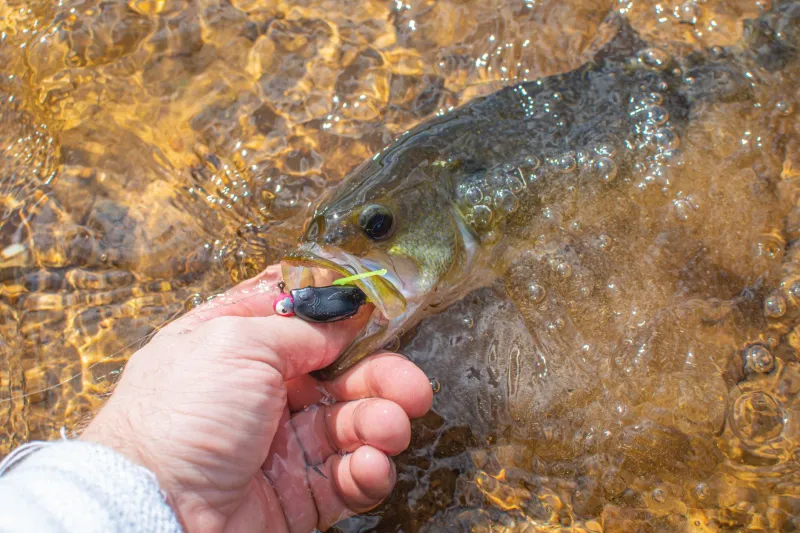
Every spring, kayak anglers across the country make the same mistake. They see the calendar flip to late March or April, they remember that bass spawn in the spring, and they paddle straight to the nearest shallow flat and start scanning for beds. Sometimes it works. More often, they're either too early, too late, or fishing the wrong water entirely.
The spawn isn't a single event. It's a rolling, variable process that can stretch across six to eight weeks on a given body of water, and the bass don't care what month it is. They care about water temperature, light penetration, lunar cycles, and bank orientation. Once you start reading those variables instead of the calendar, the whole game changes.
Why 'Spring Spawn' Is a Misleading Shortcut
In Florida, largemouth bass can begin moving into pre-spawn staging areas as early as late January. In Minnesota, that same process might not kick off until late May. Even on a single lake in Tennessee, bass on a north-facing bank might be three weeks behind bass on a south-facing bank just a mile away.
The trigger for spawning behavior isn't the date — it's water temperature. Bass begin staging in pre-spawn holding areas when water temps reach the mid-50s Fahrenheit. They move onto beds when temps hit the low-to-mid 60s, and the bulk of actual spawning happens in the 63–68 degree window. Post-spawn recovery begins as temperatures push into the low 70s.
A quality surface temperature gauge or a fishfinder with temp readout is one of the most underrated tools a kayak angler can own during this period. Stop guessing. Know the number.
The Moon Factor Nobody Talks About Enough
Moon phase doesn't just affect tidal fisheries. It influences bass spawning behavior on inland lakes and reservoirs too. Bass are strongly inclined to move onto beds during the full and new moons, when tidal pull is strongest — even on lakes with no measurable tidal movement. Biologists believe this is a deeply embedded biological trigger tied to light and gravitational cycles.
What this means practically: if the water temps are in range but you're a week before or after a major lunar phase, you might be watching fish that are staging nearby but not committed to beds yet. The best spawning action typically clusters in the three to four days surrounding a full or new moon when temps are right. Mark those windows on your fishing calendar before the season starts.
Bank Orientation Changes Everything
This is the variable that separates anglers who consistently find active beds from those who burn the whole day fan-casting empty water.
South and southeast-facing banks receive the most direct sunlight during late winter and early spring in the Northern Hemisphere. That direct sun warms shallow water faster than ambient air temperature does, and it does so earlier in the day. Bass are attracted to these warmer micro-environments first.
In practical terms: early in the spawn window, start your search on the north side of the lake where the bank faces south. Those pockets, coves, and protected flats warm up days to weeks ahead of the rest of the lake. As the season progresses and overall water temps rise, the rest of the lake catches up and you'll find fish spreading to other banks.
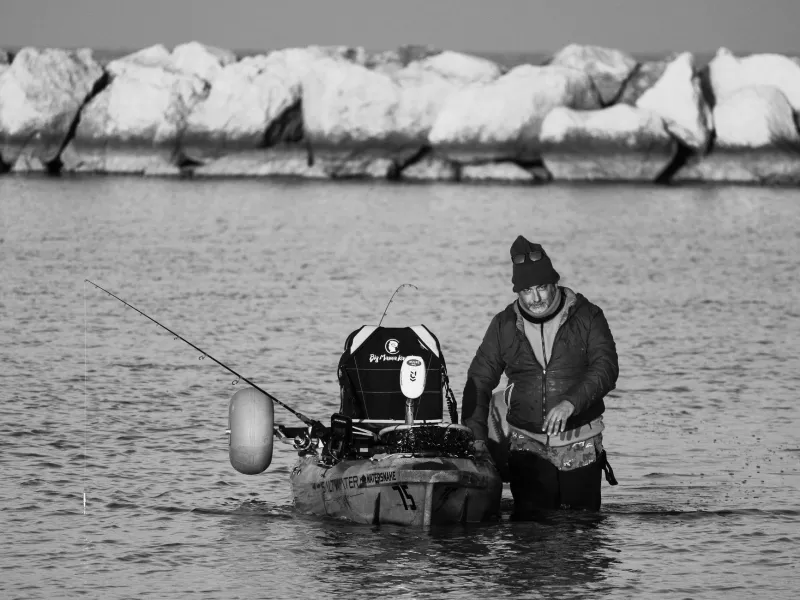
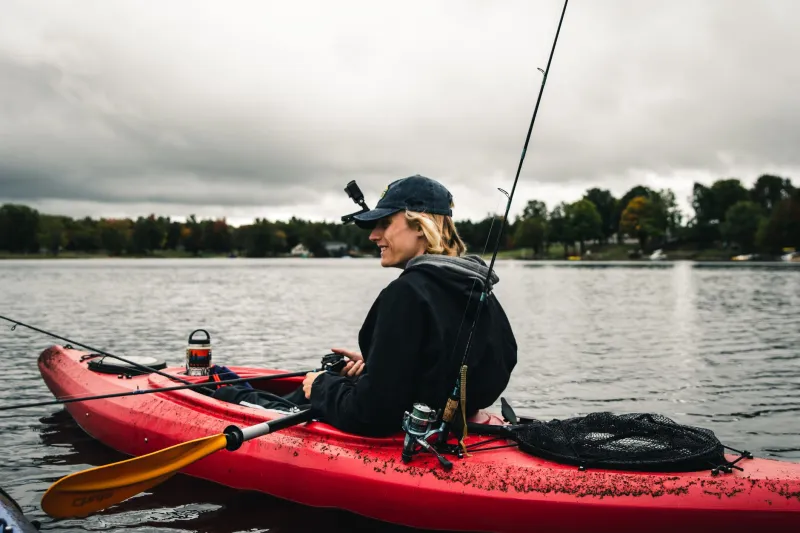
On a kayak, this is a serious advantage. You can ease into a shallow, sun-warmed pocket on the north bank of a reservoir that a bass boat can't access, and you can do it silently. That combination — correct bank orientation plus silent approach — is a genuine edge during the spawn.
Water Clarity Determines Bed Depth
Bass don't always spawn in two feet of water. That's a clear-water assumption. In stained or murky water, bass often build beds in shallower depths because light penetration is limited and they need to be close to the surface to maintain the temperature stability their eggs require. In ultra-clear water, they'll push deeper — sometimes to eight or ten feet — to avoid both light exposure and angling pressure.
In clear lakes, don't just scan the skinny water. Put on your polarized glasses and look out to the edges of your visibility range. Beds in deeper water are harder to spot but often hold larger, less-pressured fish.
In murky water, go shallower than you think makes sense. Bass bedding in eighteen inches of stained water are nearly invisible but absolutely catchable with the right presentation.
The Staging Zone Is Where the Real Bite Lives
Here's the tactical truth that most anglers miss: the best fishing during the spawn period isn't always on the beds themselves. The staging areas — the slightly deeper transition zones just outside spawning flats — hold concentrations of pre-spawn fish that are feeding aggressively before they lock down.
Look for the first significant depth break adjacent to a spawning flat. A point that drops from four feet to eight feet, a submerged road bed edge, a grass line where open water meets vegetation — these are staging zones. In the days before fish fully commit to beds, these areas can hold stacked, aggressive fish that haven't been picked over by every angler on the lake.
A swimbait, a shaky head, or a slow-rolled finesse jig worked along the transition edge will often out-produce anything thrown at actual beds during the early spawn window.
Post-Spawn: The Overlooked Opportunity
Once beds are picked over and the spawn hype fades, most anglers move on. That's a mistake. Female bass recover from the spawn in those same staging zones they used on the way in. They're depleted, they need to feed, and they're far less pressured than they were two weeks earlier.
Target the same depth transitions and structure edges you fished pre-spawn, but slow down your presentations. These fish aren't chasing. A drop shot, a Ned rig, or a slow-rolled paddle tail on a light head will draw strikes that a reaction bait won't. Give it a week after the visible beds go quiet and you'll often find the best big-fish window of the entire spring season.
Build a System, Not a Schedule
The anglers who consistently crack the spawn code aren't lucky — they're methodical. They're tracking water temps weeks before they expect fish to move. They're noting moon phases and planning launch dates around them. They're reading bank orientation before they ever put a paddle in the water. And they're looking beyond the obvious beds to the staging structure that holds fish before and after the main event.
Your kayak puts you in the right water to do all of this. Now you just need the right system to fish it.
Paddle out. Cast deep. Find the fish everyone else paddled right past.