Load the Yak and Hit the Road: 5 States Built for a Bass Fishing Road Trip
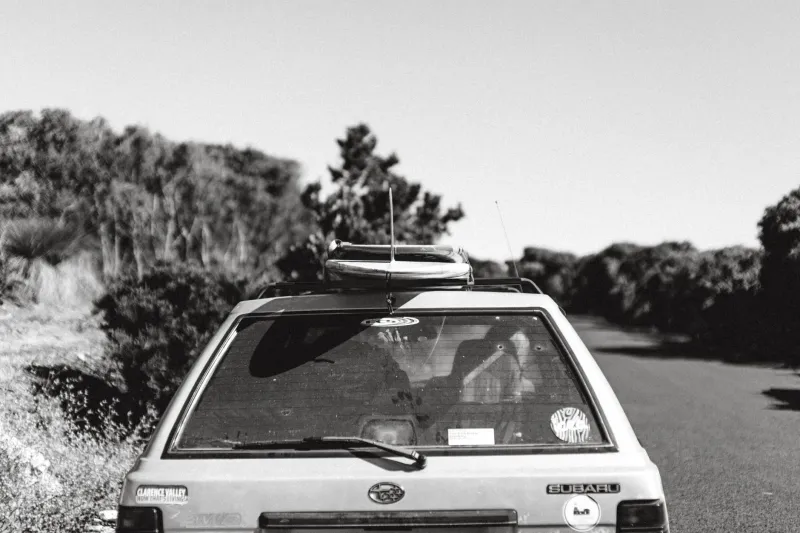
There's a particular kind of restlessness that hits sometime in late winter. You're sitting there, scrolling through fishing forums, and the thought creeps in: what if I just loaded the kayak and drove?
Good news. That instinct is worth following — as long as you pick the right destination.
Not every state with a lake is worth a road trip. But some places have the kind of bass fisheries that change how you think about the sport: wild fish in underpressured water, public access that doesn't require a marina membership, and paddling conditions that make the whole trip feel like an adventure instead of a chore.
Here are five states that check all those boxes right now.
1. Texas — Hill Country Lakes and Highland Reservoirs
Target Water: Lake Buchanan and the Llano River, Texas Hill Country
Bass Species: Largemouth, Guadalupe bass (the state fish, and a blast on light tackle)
Best Season: March through May, and again in October
Texas bass fishing gets a lot of attention for its big-fish reservoirs — Fork, Sam Rayburn, Falcon — but the Hill Country is where kayak anglers have a genuine edge. The Llano River and its tributaries run clear and rocky through cedar-covered hills, and the Guadalupe bass that live here are tailor-made for the kind of slow, technical fishing a kayak enables.
Lake Buchanan, the largest of the Highland Lakes chain, has miles of rocky shoreline, submerged creek channels, and public boat ramps with kayak-friendly access. Largemouth stack up along the main lake's timber-lined coves in spring, while Guadalupe bass hold in the river sections year-round.
What makes it uniquely suited to kayak fishing: the shallow, rocky stretches of the Llano and its feeder creeks are completely inaccessible by motorboat. You'll have stretches of wild water entirely to yourself. Bring a small cooler, a dry bag, and plan to stay out all day.
2. Florida — Backwater Flats and Cypress Swamp Country
Target Water: Ocklawaha River and Lake Rousseau, Central Florida
Bass Species: Florida-strain largemouth (the same genetics behind most world-record fish)
Best Season: January through April (cooler water triggers aggressive feeding)
Everybody knows Florida has big bass. What fewer people talk about is how many of Florida's best fisheries are essentially designed for kayaks. The Ocklawaha River winds through the Ocala National Forest — one of the largest national forests in the eastern US — with public access points, no-wake zones, and the kind of cypress-lined, tannin-stained water that looks like it came straight out of a bass fishing dream sequence.
Florida-strain largemouth are genetically different from their northern cousins. They grow faster, get bigger, and hit topwater with a violence that's hard to describe until you've experienced it. In late winter, when water temps drop into the low 60s, these fish feed aggressively and congregate around hydrilla edges and cypress root systems — both of which are perfectly readable and fishable from a kayak.
Practical note: Florida has an excellent network of paddling trails maintained by the state, with GPS coordinates for put-ins and take-outs. Do your homework before you go — some sections of the Ocklawaha have current, and a few areas require permits or have seasonal restrictions.
3. Arkansas — Ozark Reservoirs and Clear-Water Rivers
Target Water: Lake Ouachita and the Buffalo National River region
Bass Species: Largemouth, spotted bass, smallmouth
Best Season: April through June for largemouth; September and October for smallmouth
Arkansas is criminally underrated as a bass fishing destination, which is exactly why it belongs on this list. Lake Ouachita — a Corps of Engineers reservoir in the Ouachita Mountains — is one of the clearest lakes in the South, with visibility sometimes exceeding 20 feet. That clarity is both a challenge and an opportunity: bass are spooky, but you can actually see them.
A kayak's stealth advantage is amplified enormously in clear water. You can ease into rocky points and bluff walls without alerting fish, and the visual feedback you get from watching bass react to your presentations is an education in itself.
For smallmouth, the rivers feeding into Bull Shoals Lake and the tailwaters below Norfork Dam are world-class. Spotted bass are abundant throughout the Ozark reservoirs and hit hard in fall when water temps cool. Arkansas also has some of the best public land access of any southern state, with the Ouachita National Forest and Ozark-St. Francis National Forests offering dozens of undeveloped launch points.
4. Minnesota — Boundary Waters Largemouth and Northern Smallmouth
Target Water: Boundary Waters Canoe Area Wilderness (BWCAW), northern Minnesota
Bass Species: Smallmouth bass primarily; largemouth in warmer southern lakes
Best Season: Late June through August
Okay, this one's a different flavor of road trip — and it requires a permit — but if you've never fished smallmouth in the Boundary Waters, you're missing one of the most pure bass fishing experiences available anywhere in the country.
The BWCAW is a million-acre wilderness where motors are banned on most lakes. That means every angler is on equal footing, and that footing happens to be a kayak or canoe. The smallmouth bass here are wild, aggressive, and completely unaccustomed to heavy fishing pressure. On a good morning, you can catch and release 20 fish before noon on surface lures.
Logistics matter more here than anywhere else on this list. You'll need a permit (apply early — they sell out), proper bear-safe food storage, and a kayak that can handle portages. But the payoff is fishing in country that looks and feels nothing like a managed reservoir. This is wilderness bass fishing, full stop.
5. Georgia — Piedmont Reservoirs and Mountain Tailwaters
Target Water: Lake Hartwell and the Chattahoochee River corridor
Bass Species: Largemouth, spotted bass, striped bass hybrids
Best Season: March through May; October and November
Georgia sits at an interesting geographic crossroads — the piedmont reservoirs hold big Florida-strain largemouth, while the mountain rivers and tailwaters to the north hold spotted and smallmouth bass that fight like they have something to prove.
Lake Hartwell, straddling the Georgia-South Carolina border, has over 900 miles of shoreline and more public boat ramps than you can fish in a week. The upper arms of the lake — where the Tugaloo and Seneca Rivers feed in — are shallow, timber-filled, and ideal for a kayak. Spring largemouth fishing in these upper sections is as good as anything in the South.
The Chattahoochee River below Buford Dam offers a completely different experience: clear, cold tailwater with spotted bass stacking in current seams and behind mid-river boulders. Kayak access points are well-maintained and free, and the scenery through the North Georgia mountains is worth the drive alone.
Making the Trip Work
A few things hold true across all five of these destinations: check public access points before you leave home (a quick call to the local fish and wildlife office goes a long way), bring more water than you think you need, and give yourself at least two full days on any new body of water. The first day is scouting. The second day is fishing.
The whole point of a kayak road trip isn't just the fish — it's the freedom to go where other anglers can't, see water from an angle most people never experience, and come home with stories that don't start with "we launched at the marina."
Paddle out. Cast deep. The road's right there.