Find Your Own Water: How Kayak Anglers Can Dodge the Weekend Crowds and Catch More Bass
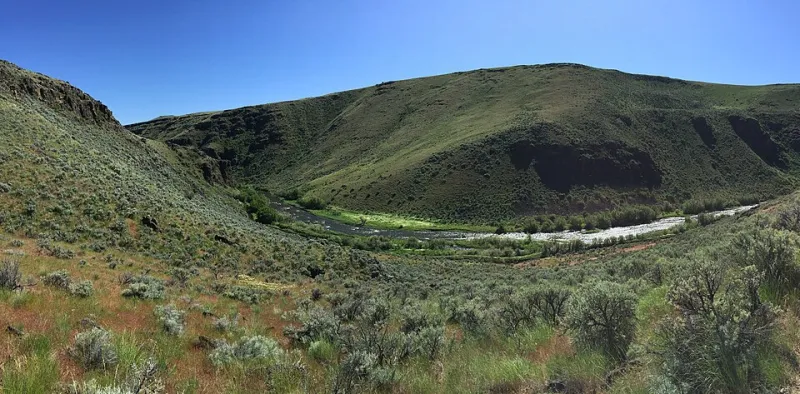
Photo: BLM Oregon & Washington, Public domain, via Wikimedia Commons
Saturday morning at a popular Tennessee reservoir. The parking lot at the main ramp is full by 5:45 a.m. Boat trailers are lined up in the dark. Anglers are bumping into each other at the fuel dock. By the time the sun breaks the ridgeline, there are forty boats on the same stretch of bank you had in mind.
If you've lived this, you know how quickly a promising morning can turn into a frustrating exercise in casting behind other people's wakes. And here's the thing — it's not just annoying. Fishing crowded, pressured water genuinely produces fewer bites. The fish aren't stupid. They learn.
Kayak anglers have a real advantage here. The question is whether you're using it.
Pressured Fish Are Different Fish
There's solid behavioral research behind the idea that bass in heavily fished water change their habits. A 2018 study published in Transactions of the American Fisheries Society found that bass in high-pressure lakes showed measurably reduced response to artificial lures after repeated catch-and-release exposure. The fish didn't disappear — they just stopped eating things that had hooked them before.
Anecdotally, any guide who's worked a popular lake for a decade will tell you the same thing. Fish on Guntersville, Lake Fork, or Okeechobee during a major tournament week and you'll notice the bite window shrinks. Fish the same spots two weeks later and they come alive again. The fish are there. The behavior changes based on pressure.
Unpressured fish — fish that rarely see a lure — behave completely differently. They're reactive. They chase. They eat things out of aggression, not just hunger. And that difference in behavior shows up in your net.
The Kayak's Hidden Research Advantage
Here's where kayak anglers can get genuinely creative. Finding water that doesn't get much pressure requires research, and there are several tools that most weekend warriors never bother with.
USGS Water Resources Data (waterdata.usgs.gov) tracks stream flow, water levels, and temperature at gauging stations across the country. This isn't just weather data — it helps you identify creek arms, river tributaries, and backwater systems that are accessible during certain flow conditions but overlooked the rest of the time. A kayak can navigate a creek mouth that's too shallow for a bass boat at normal pool but perfectly fishable after a few days of rain raises water levels.
Tournament reports and weigh-in data are a goldmine of negative information. When you see that a major tournament on a popular lake produced an average winning weight of 8 pounds over five fish — well below the lake's potential — that tells you something about pressure effects. It also tells you which bodies of water are seeing the most competition traffic, so you can look elsewhere.
Local fishing forums like The Bass Zone and regional Facebook groups are messy and chaotic, but they're also the fastest way to learn which public waters are genuinely underutilized. Pay attention to what people don't talk about. The lake that never gets mentioned in a region full of bass anglers is often the lake worth driving to.
The Off-Peak Time Math
Even on popular lakes, the crowd dynamic shifts dramatically based on when you show up. Weekend morning pressure peaks between 6 and 10 a.m. By early afternoon, a significant portion of the boat traffic has left. By 4 p.m. on a Sunday, many ramps are nearly empty.
For kayak anglers willing to work the evening shift, this creates a legitimate opportunity. You're not fighting for ramp space. The fish have had six hours to recover from the morning pressure. Water temperatures are peaking and about to drop, which often triggers feeding. And you have access to the same water that was elbow-to-elbow at dawn.
Mid-week fishing is even better. Tuesday and Wednesday on most public lakes see a fraction of the weekend traffic. If your schedule allows even occasional mid-week trips, the difference in both crowd density and fish behavior is dramatic.
A Regional Breakdown of Underutilized Fisheries
Every region has its overlooked gems. Here are a few worth putting on the radar:
The Southeast: Small impoundments and county lakes managed by state wildlife agencies frequently go unnoticed next to their famous neighbors. Alabama, Georgia, and Mississippi all have dozens of lakes under 500 acres that receive minimal fishing pressure and hold healthy bass populations. Alabama's public fishing lakes program, for example, maintains dozens of access points that see a tiny fraction of the traffic that Guntersville or Lay Lake receives.
The Midwest: Farm ponds and small reservoirs on Army Corps of Engineers land are often open to public access but rarely appear in fishing media. The upper Missouri River backwaters in South Dakota and Nebraska are genuinely overlooked smallmouth and largemouth fisheries that kayak anglers can access with minimal competition.
The Southwest: Texas has hundreds of small municipal reservoirs and water supply lakes with public access that get almost no attention. While everyone crowds onto Lake Fork and Sam Rayburn, lakes like Lake Naconiche, Lake Gilmer, and dozens of others in East Texas fish well with almost no pressure.
The Northeast: River systems are chronically underutilized compared to lakes and reservoirs. The Delaware River, the Susquehanna, and countless smaller tributaries hold excellent smallmouth bass and receive a fraction of the angling pressure of nearby impoundments. A kayak is arguably the ideal platform for river bass fishing — you can cover miles of structure in a single float.
How to Research New Water Before You Launch
Pulling up on unfamiliar water without preparation is a recipe for frustration. A few habits that pay off:
Satellite imagery first. Google Earth and Navionics satellite view let you identify shallow flats, creek channels, grass beds, and structural features before you ever load the kayak. Look for areas that boat traffic can't easily access — tight creek arms, shallow flats with visible structure, areas behind islands or sandbars.
Access point scouting. USGS topographic maps and the onX Hunt app (which many anglers use for its detailed public land data) can help you identify legal kayak launch points beyond the main boat ramp. A kayak can launch from a road crossing, a public park, or even a wide spot on a gravel road. That flexibility means you can access stretches of water that boat anglers never reach.
State fish stocking records. Most state wildlife agencies publish annual stocking data online. A small lake that received a significant fingerling stocking three to five years ago is worth a closer look — those fish are now in the 2 to 4-pound class and haven't been heavily pressured.
The Mindset Shift
The biggest obstacle to finding your own water isn't information — it's habit. Most anglers go where they've always gone, fish when they've always fished, and wonder why the results feel the same. The kayak gives you the freedom to break that pattern. You can launch from a boat ramp, a bridge, a beach, or a drainage ditch. You can fish water that no one else is bothering with.
The crowd at the popular lake on Saturday morning isn't your competition. It's your indicator. When everyone is pointing the same direction, the smart move is to look the other way.